Why Regular Lawn Mowing Service Is Key to a Healthy Green Lawn
Sustaining a thriving grassy yard requires more than just sporadic attention. Routine mowing plays an important role in fostering robust turf growth and general lawn health. It promotes thicker grass, helps manage weeds, and lowers the risk of pests. However, not all mowing practices yield the same results. Grasping the intricacies of proper mowing is critical for peak lawn condition. What factors should homeowners consider to guarantee their lawns thrive?
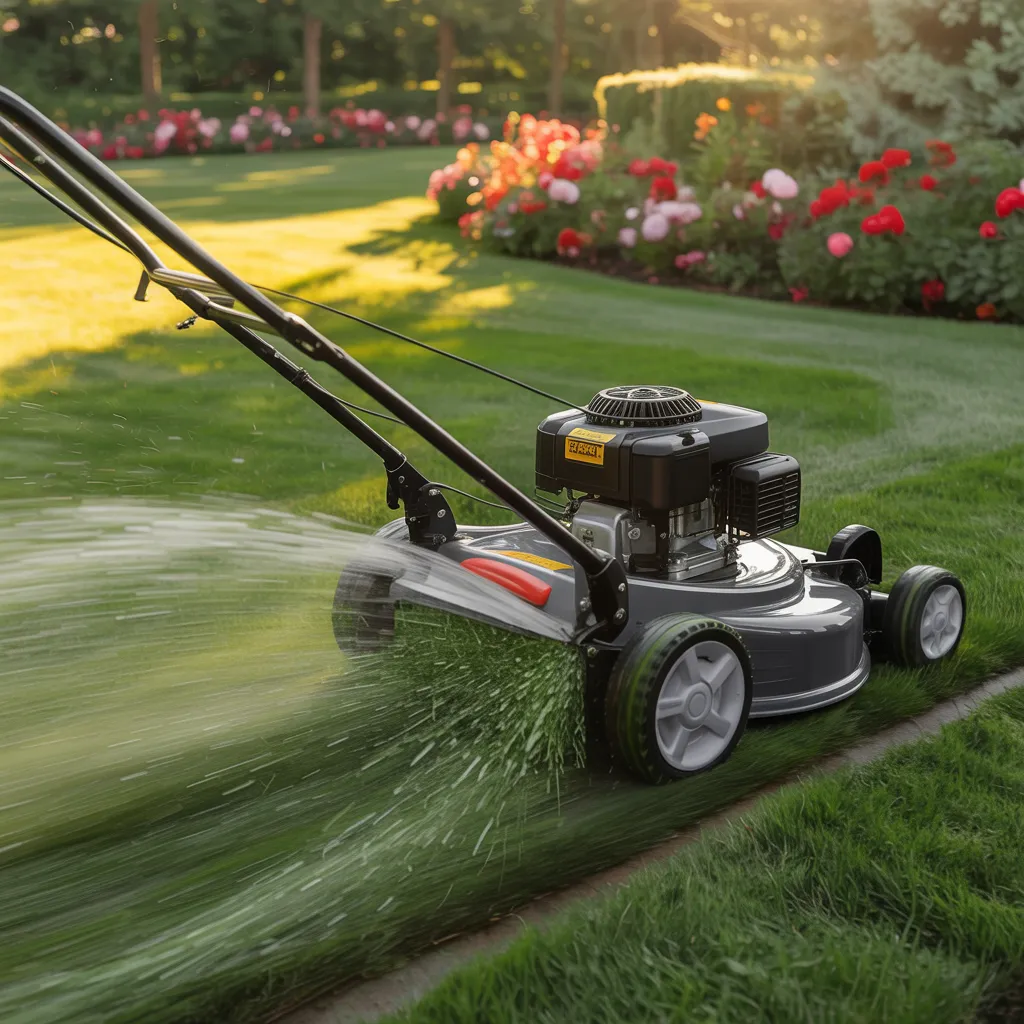
Why Consistent Mowing Is Important for Grass Health
Routine mowing plays a vital role in preserving a lush and healthy lawn. By trimming grass to the proper height, mowing encourages a thicker and more durable turf. This process not only prevents weeds from taking root but also facilitates better air circulation and sunlight penetration, which are necessary for the overall health of the grass. Additionally, regular mowing encourages lateral growth, permitting grass plants to grow outward and fill in sparse patches.
Additionally, steady mowing routines aid in managing insects and pathogens, as longer grass can harbor destructive insects and dangerous pathogens. By maintaining the lawn at an optimal level, homeowners can minimize these risks. Furthermore, consistent mowing enhances the visual appeal of the lawn, elevating the visual character of the property. As a result, developing a consistent mowing timetable is essential for guaranteeing that the turf continues to be rich, vibrant, and robust during the entire growth period.
The Impact of Mowing on Grass Growth and Thickness
Cutting grass influences the growth and thickness of grass by determining how it progresses after being cut. Frequent mowing stimulates grass to become denser and more lush, as it stimulates lateral growth. When the grass is cut, it encourages new shoots to emerge from the base, leading to a dense, verdant lawn. Moreover, maintaining an appropriate mowing height is essential; cutting too low can stress the grass, while cutting at the right height promotes healthy growth and minimizes weed invasion.
Furthermore, maintaining consistent mowing intervals ensures that nutrients are effectively distributed, keeping the grass from experiencing shock. This practice assists in sustaining a uniform growth pattern, permitting sunlight to filter through the lawn more thoroughly. Consequently, a well-maintained lawn develops greater resilience and visual appeal, supporting its general health and strength. Routine mowing ultimately holds an important role in nurturing a healthy and vibrant green space.
The Role of Mowing in Pest Control and Disease Prevention
Mowing is a key factor in maintaining lawn health by impacting pest control and disease prevention. The level at which your grass is trimmed can influence its resilience against infestations and infections, while consistent mowing schedules help avoid overgrowth that draws in pests. Correct mowing techniques not only encourage a healthy lawn but also act as a defense against possible threats.
Mowing Height Matters
The level at which grass is mowed can markedly influence lawn health, affecting both pest control and disease prevention. Adhering to an optimal cutting height ensures that grass preserves enough leaf surface area for the process of photosynthesis, encouraging vigorous growth. Higher grass can provide shade to the soil, minimizing evaporation and establishing a less hospitable environment for pests. Moreover, proper height allows roots to grow deeper, improving drought tolerance and general vitality. On the other hand, trimming grass too short can place strain on the plants, rendering them more vulnerable to pests and diseases. In addition, shorter grass may expose the soil, allowing weeds to establish and compete for nutrients. Therefore, knowing and complying with proper mowing height guidelines is crucial for maintaining a healthy and resilient lawn.
Routine Cutting Intervals
Adhering to routine cutting frequencies is a key factor in lawn health, particularly in pest control and disease prevention. Routine cutting controls excessive grass growth, limiting the environment where pests like ticks and fleas thrive, which thrive in tall grass. Furthermore, well-cut grass supports greater air movement and sun access, producing a setting that inhibits the spread of fungal diseases. Regularly scheduled mowing also encourages a dense turf, preventing weeds from taking root and competing for nutrients. Such a preventive strategy not only strengthens the lawn's durability but also lessens the dependency on pesticide applications. In the end, following correct mowing schedules cultivates a more vigorous lawn that is better protected against pests and disease outbreaks, ensuring long-term health and aesthetic appeal.
Choosing the Best Mowing Height for Your Grass
What is the best way to find the optimal mowing height for their lawn? Determining the appropriate height is important for preserving a healthy lawn. Each type of grass has its own ideal height requirements; for instance, Kentucky bluegrass thrives at 2.5 to 3.5 inches, while Bermuda grass is best kept at 1 to 2 inches. Adhering to these guidelines promotes robust root systems and guards against lawn diseases and pests.
Furthermore, the time of year affects mowing height. During hot weather months, leaving grass a little taller can provide shade to the soil, limiting moisture loss. On the other hand, in cooler months, a lower mowing height can help prevent disease.
Routinely calibrating the mower's mowing height based on these considerations ensures ideal growth. Ultimately, knowing the unique demands of the grass type and surrounding conditions will result in a rich, flourishing lawn that flourishes during every season.
Why Should You Hire a Professional Mowing Service?
Hiring a qualified mowing service provides professional lawn care knowledge that can enhance the overall health of a yard. Additionally, it ensures valuable time-saving benefits for homeowners who may not have the needed expertise or time to manage their lawns efficiently. This blend of expertise and efficiency makes professional services a valuable investment for a healthy, well-maintained lawn.
Proficiency In Lawn Care
Although many homeowners might view lawn mowing as a straightforward chore, the skill offered by expert lawn mowing professionals can make a remarkable improvement in the health and appearance of your lawn. Professionals possess a thorough awareness of turf species, growth seasons, and proper cutting levels. This knowledge allows them to tailor mowing techniques specifically to the specific needs of your lawn, fostering robust development while lowering the chances of lawn disease. Additionally, experienced lawn care specialists are equipped with superior machinery designed to produce exact and consistent cuts, resulting in a uniform and aesthetically pleasing lawn. Their skill in detecting and managing issues such as unwanted weeds or harmful pests during scheduled mowing visits can avert more serious issues in the future, ensuring a vibrant and resilient landscape.
Time-Efficient Solutions
For homeowners juggling busy schedules, a professional mowing service can make a significant difference. By delegating lawn maintenance to professionals, homeowners reclaim precious time to devote to family, work, or personal pursuits. Bringing in professionals ensures the work is done thoroughly and reliably, doing away with the inconvenience of equipment upkeep and storage. Moreover, professional services commonly provide adaptable scheduling to meet the homeowner's preferences. This means no more worrying about fitting lawn care into a packed weekend. Ultimately, a professional mowing service not only enhances the appearance of the lawn but also provides peace of mind, allowing homeowners to enjoy their green spaces without the burden of upkeep.
What Is the Ideal Mowing Frequency for Your Lawn?
How frequently should one mow their lawn to maintain its health and appearance? The ideal mowing schedule varies depending on several factors, including grass type, growth rate, and weather related resource conditions. In most cases, lawns benefit from being mowed every one to two weeks during the active growing season, which commonly runs from spring to early fall.
In warmer months, especially after rainfall or when the lawn is experiencing vigorous growth, weekly lawn cutting may be needed to prevent the grass from becoming too tall. On the other hand, during periods of cooler weather or drought, you can reduce mowing to every two weeks or less.
Sustaining a steady mowing height is vital; the majority of grass types flourish when trimmed to between 2.5 and 4 inches. Consistent mowing not only improves the lawn's visual appeal but also supports healthy development by inhibiting weed growth and fostering deeper root systems. Consequently, sticking to a personalized mowing schedule plays a considerable role in sustaining lawn vitality.
Advice for Keeping a Beautiful Lawn Between Mowing Sessions
Once a consistent mowing routine is in place, keeping a healthy lawn between mowings demands focus on a few important practices. First, proper watering is essential; lawns typically need about one inch of water per week, either from rainfall or irrigation. Morning watering reduces the risk of evaporation and fungal issues.
Next, consistent weeding is essential. Weeds rival your grass for nutrients and moisture, so clearing them without delay supports strong grass development. Furthermore, fertilizing the lawn every few months with a balanced fertilizer can enhance its liveliness.
Additionally, aeration deserves special attention, especially in areas that experience heavy use. Lawn aeration allows air, water, and nutrients to penetrate the soil more effectively. By incorporating these strategies, homeowners can foster a robust and flourishing lawn that remains in great condition between mowing sessions, guaranteeing a beautiful landscape during the entire growing season.
Answers to Your Most Common Questions
What Is the Best Equipment to Use for Mowing My Lawn Effectively?
To achieve optimal lawn mowing results, a well-maintained rotary mower is ideal for most residential lawns. In addition, reel mowers provide accuracy for compact spaces, while riding mowers provide efficiency for larger spaces, guaranteeing a uniformly well-groomed look.
Is Mowing Too Frequently Bad for My Grass?
Overly frequent mowing can certainly be detrimental to grass by stripping away too much leaf surface, which restricts photosynthesis. This added pressure may result in weaker roots and increased susceptibility to diseases, pests, and environmental pressures, ultimately compromising lawn health.
How Does Weather Impact Mowing Schedules?
Weather greatly influences lawn mowing schedules; wet and rainy days often postpone mowing, while dry weather can call for increased mowing frequency. Seasonal changes also affect grass growth rates, requiring adjustments to maintain ideal lawn health and appearance.
What Can I Do With Grass Clippings?
Grass clippings can remain on the lawn as a natural mulch layer, returning nutrients to the soil. As another option, they may be composted or set aside for yard waste collection, depending on local guidelines and personal preferences.
Is It Better to Mow Wet or Dry Grass?
Cutting dry grass is typically the better choice, as damp grass is prone to clumping and producing irregular cuts. Furthermore, mowing wet grass can cause soil compaction and make the lawn more vulnerable to diseases, thereby negatively impacting the lawn's long-term health and vitality.
Comments on “trusted Spokane Valley top Lawn Mowing Service for lawn care needs”